One of humanity’s most widely treasured creations, and one we might consider of the greatest value given its historical, anthropological, emotional and human implications, is the work of art: seen as an artistic creation or an aesthetic element that beautifies our spaces and therefore our lives. In a broader sense we can include literature, music and architecture among works of art; here, however, we use the term to mean those tangible, portable pieces of visual art such as paintings and sculpture. Our treasured works of art often have to be moved from one place to others where they will sit, beautifying and decorating particular places where many can admire them, such as museums or exhibitions.
01 Assessing what a work of art needs for packing and transport
Works of art that travel are vulnerable to various kinds of damage: poor handling by untrained art handlers, bad weather, roads in poor condition and inadequate storage of each piece. Before you start packing, therefore, you should address and analyse the specific shipping needs of your works of art. Remember that each work generally has particular requirements for packing and transport that have to be considered. You can start by assessing the work to be moved, establishing its size, the materials it was made with and how fragile it is; the shape of the work matters here too. Likewise, where the work is going and how far it has to travel: sending a valuable object across the city can be very different from sending it elsewhere in the country or abroad, where it can be far more problematic, since the packing will be handled by many different pairs of hands. You need to decide whether the work can be moved by hand, in a car — possibly your own —, by truck, or whether on the contrary it has to travel by air. Look into the shipping possibilities before making decisions, since shipping costs vary a great deal. Establish how long the work will stay in its packing or crate. This point is very important, since works left in store for a long time can be affected by environmental changes such as humidity and heat. It is also necessary to consider the weight of the materials and objects being sent. You may need several crates rather than one large one, in order to protect the work and keep the weight within shipping guidelines.
02 Packing paintings and sculpture
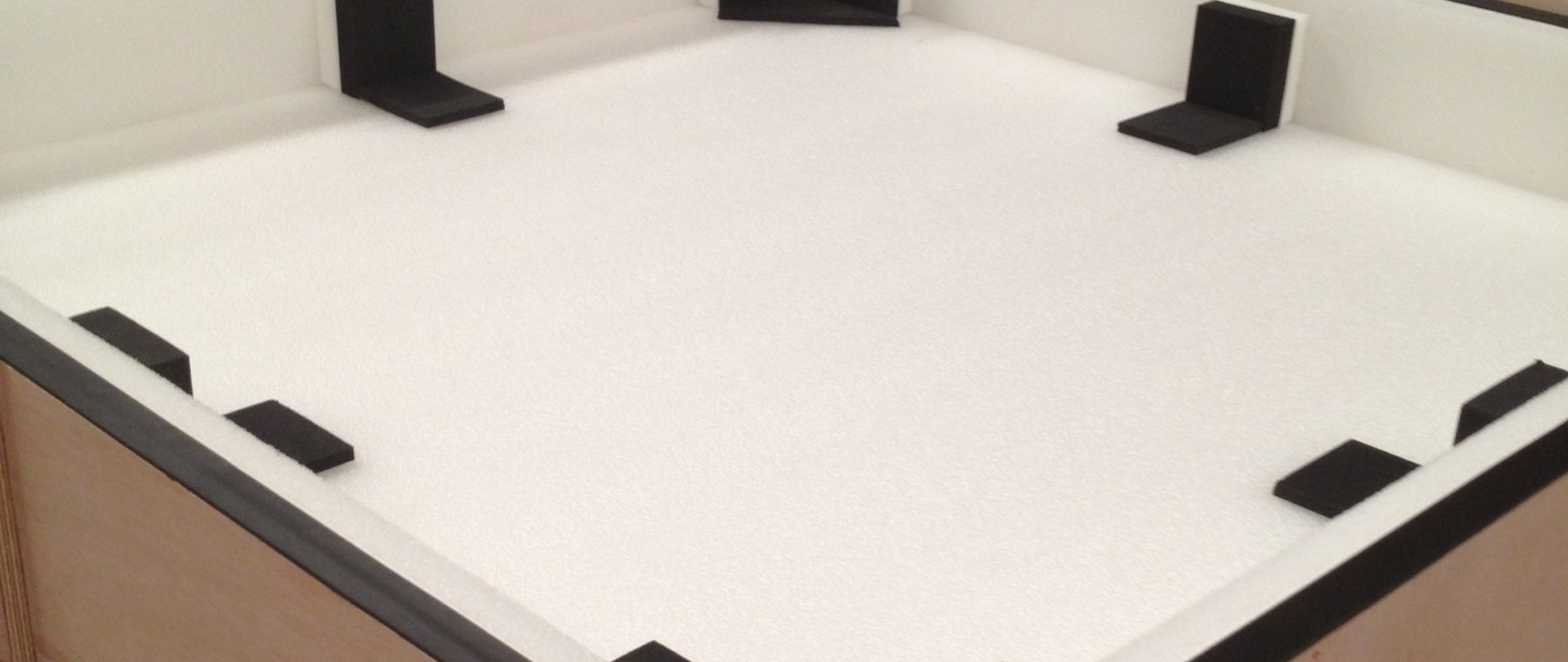
Depending on the type of work you want to move, the specifications can differ. In the case of paintings, two packing methods are capable of keeping them well protected: using bubble wrap and card, or using wooden crates built to measure. If you want to pack unframed paintings, try never to touch the work directly; tissue paper or cotton gloves are recommended. Wrap the piece in acid-free tissue paper, and if you want extra protection against damp, wrap the work in plastic. But covering the work with paper does not finish the job: the wrapped piece then has to be mounted with tape on stiff card or on a foam board for packing. If the work you want to pack is a framed painting, it is best to find or build a crate that fits the piece, with 3 inches of clearance on every side of the frame. Before it goes into the crate it should likewise be wrapped in acid-free tissue paper and bubble wrap, making sure the corners are properly covered, since those are the most liable to damage in transit. Inside the crate, use foam or your packing material of choice to create the layer the frame will rest on. If what you want to pack is a sculpture, you have to take different measures. You can start by taking bubble wrap around the upper half of the sculpture, twice. Then wrap the bubble wrap around the lower half of the sculpture, twice as well, making sure the bubble wrap overlaps slightly in the middle. Here it is necessary to build a crate to measure and fill it roughly a third of the way with shredded paper. Set the sculpture on the shredded paper and fill the rest of the crate with more of it. Make sure the shredded paper is packed securely around the sculpture so that no movement is possible during the journey.
03 Packing and transport services
Now that you have an idea of all the details that have to be taken into account in order to pack and move a work of art, you will have noticed that you need the help of experts if your treasured, valuable works are to come to no harm. There are various companies that work in this field with the knowledge and the equipment needed to do the job as efficiently as possible. Even so, it can never be assumed that every institution has well trained art handlers, and accidents are therefore predictable; likewise, not every firm may have what it takes to move a work with the particular specifications yours requires. The best course is to research art handling firms in detail and get references before entrusting your art to the staff of any given company. The experience of the professionals in the field is the best guarantee you have that your precious, valuable and fragile objects will reach their destination safely. One of the most recommended firms in Madrid for the packing and transport of works of art is World Pack-Art & Services, who have the best technology for moving different kinds of work while avoiding any damage or alteration. The firm has the best team in the field, which assures its experience, good service and excellent results. We can assure you that you will be satisfied when you get in touch with them, and that your valuable works will end up where you want them without setbacks.