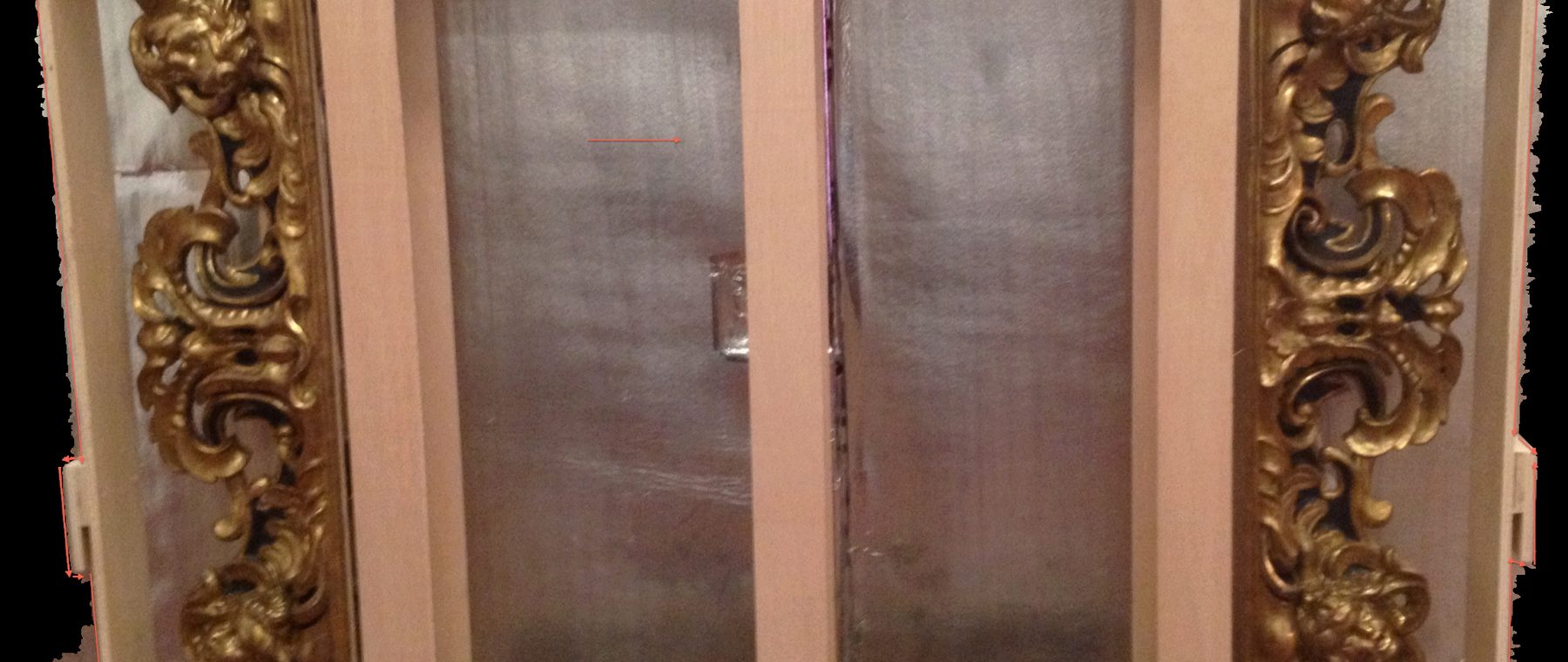
Looking after works of art, as well as being a fundamental part of acquiring a piece, is part of the responsibility of owning an item of that standing. To care for a work of art properly, factors as important as temperature, light and even the humidity and vibration levels of a space have to be taken into account. Matters as important as avoiding exposing the work to temperatures that alter its natural state, such as next to a radiator or in genuinely cold areas, especially paintings made in oil or watercolour. Also avoiding works being displayed in spaces where sunlight falls on them directly, artificial light included. This last point is one of the most important in caring for works of art, which is why the owner should take the electrical system of the home into account so that the works are not damaged, and should look into it before signing up with any electricity supplier. What electrical system should a home with works of art have? If your home holds works of art that may be sensitive to light or to other factors such as temperature, it is important to check in advance with your electricity company about the supply capacity contracted and the different systems that exist for homes of this kind. In the first place, not only the supply capacity but also the electrical installation, and the light bulbs, can be decisive in keeping a work of art in good condition. It is important that the light, whether natural or artificial, does not fall directly on the work. Hence the leading experts recommend LED or fibre-optic bulbs, as well as low-voltage halogen lamps, for lighting works that are sensitive to light — more precisely, 50 lux for very sensitive materials and 150 lux for sensitive materials. The harm that poor care can cause as a result of light and temperature includes hardening of the work, discoloration and even cracking that leads to breakage. How should a work of art be transported? Moving a work of art of great standing is not a simple matter. The means of transport affects the packing the work will need. Depending on whether it goes by road, sea or air, the transport equipment will be very different. In the great majority of cases a work travels by road, and in general the age of the work and its sensitivity have to be taken into account when engaging an art transport service. If the work is sensitive to changes in temperature, the owner should check whether the transport service includes an insulated load compartment, vibration isolation or climate control. And also make sure of taking out insurance that covers any kind of accident during the transport of the works, or any setback that may arise during the process.
Protecting your works of art with the right lighting
2 min read · January 2019
Keep reading
-
Art exhibitions in Madrid
There is no doubt that the great European cities are important and well known where art is concerned. And…
-
How to prepare for an art move
Working out the load volume of the vehicle that will carry your works, preparing the crates and the packing…
-
Art transport
Art is everywhere and at every stage of our lives. Whether it adorns houses, or appears in exhibitions…
Quote
Tell us what needs moving
A single piece or a whole collection. We come back with a quote and one coordinator in charge of the entire job.